Top Takeaways and Key Concepts
Choose complex carbs for energy: Focus on whole grains, fruits, and vegetables to fuel your run effectively.
Include protein for muscle support: Eat lean proteins like eggs or Greek yogurt to help with muscle recovery.
Hydrate before your run: Drink water throughout the day to stay hydrated and avoid fatigue.
Time your meals wisely: Eat 2 hours before running for optimal digestion or go for light snacks within 30 minutes.
Avoid heavy meals pre-run: Stick to lighter foods like salads or quinoa bowls to prevent sluggishness.
Summary of This Article
The article emphasizes the importance of proper nutrition before running to ensure effective performance and recovery. It recommends complex carbohydrates, lean proteins, and hydration to fuel your body and avoid fatigue. Timing of meals is also crucial; aim to eat 2 hours before running, with lighter snacks if you’re short on time. The piece also highlights avoiding heavy or greasy foods that could hinder your performance and suggests lighter alternatives. Lastly, it reminds runners to focus on mental preparation to complement their physical fueling for a successful run.

Ah, the pre-run meal. It’s that magical moment where you get to combine your love of food with your passion for running. But wait! Not just any food will do. You can’t simply inhale a slice of pizza and expect to run like the wind—unless you want to find yourself on an episode of “America’s Funniest Home Videos.”
So, let’s dive into the best foods that will help you power through those miles without feeling like you’re carrying a sack of potatoes.
Understanding Carbohydrates

First off, let’s talk about carbohydrates. No, not the evil carbs that people whisper about in dark corners; we’re talking about good carbs, the ones that fuel your runs like rocket fuel in a spaceship. These are the complex carbohydrates found in whole grains, fruits, and vegetables. Think oatmeal, brown rice, or sweet potatoes—foods that can turn you from couch potato to speedy gazelle (or at least something resembling one).
I remember one time I thought it would be clever to eat nothing but gummy bears before a long run because they looked fun and colorful. Spoiler alert: my stomach didn’t think so! Instead of feeling light and sprightly as I dashed down the road, I felt more like a balloon animal slowly deflating as I plodded along. Lesson learned: complex carbs are your friends!
Protein Power-Up
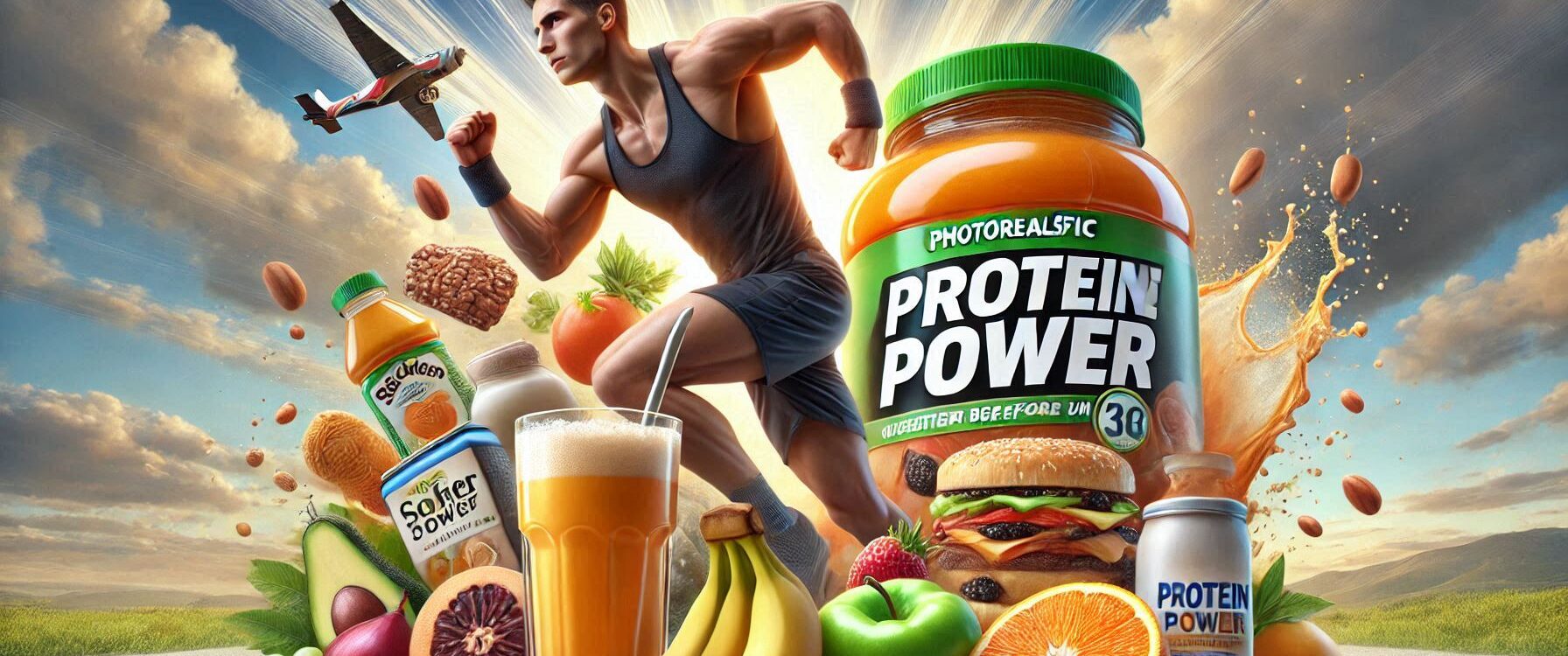
By the way, don’t forget about protein! While carbs are crucial for energy, protein plays an essential role in muscle repair and recovery. Eating some lean protein before your run can help keep those muscles happy and functioning properly while you’re out there conquering asphalt jungles or scenic trails.
Eggs are fantastic if you have time to cook them up in the morning; they provide high-quality protein without weighing you down too much. If you’re more pressed for time than ever (like when your alarm clock decides it hates mornings), grab some Greek yogurt with fruit or even a smoothie packed with spinach and nut butter for a quick fix that still has serious nutritional value.
Hydration is Very Important

Let’s see… hydration! This one seems obvious but is often overlooked until it’s too late—like realizing you’ve forgotten your pants at work during casual Friday (trust me; it happens). Staying hydrated is critical before hitting the pavement since dehydration can lead to fatigue faster than my dog can spot an unattended sandwich.
Drink water throughout the day leading up to your run instead of chugging it all at once right before heading out—because no one wants to spend their run trying not to pee themselves while dodging other joggers! Coconut water is another excellent option if you’re looking for something with added electrolytes.
Timing Is Everything

Interestingly enough, timing plays a huge role in what foods work best for pre-run meals. Ideally, aim to eat two hours before running so your body has enough time to digest whatever deliciousness you’ve consumed—and believe me; nobody wants stomach cramps from breakfast burritos halfway through mile three!
If you’re short on time and need something closer to race time—say within 30 minutes—a banana or an energy bar can do wonders without causing chaos inside your tummy while you’re trying not trip over passing squirrels during training runs.
Avoiding Heavy Meals

Speaking of chaos inside your tummy… let’s chat about heavy meals! Sure, fried chicken might seem tempting when you’re staring into its crispy goodness after finishing work—but trust me on this one: eating anything too greasy or rich will make sure that you’ll be regretting life choices by mile two.
Instead of indulging in comfort food right before lacing up those sneakers, opt for lighter fare like salads topped with grilled chicken or quinoa bowls loaded with veggies—the kind of meal that’ll leave you feeling energized rather than weighed down by regretful decisions involving ranch dressing.
Snacks That Work Wonders

Now onto snacks! If you’re someone who prefers grazing rather than having full meals throughout the day (guilty as charged), here are some stellar options: trail mix made from nuts and dried fruit provides healthy fats combined with natural sugars—perfect fuel without making it feel like you’ve swallowed bricks!
Rice cakes spread thinly with almond butter also offer great balance while being easy on digestion—it feels almost indulgent yet keeps everything moving smoothly during workouts instead of turning into lead weights around my ankles mid-stride!
The Mental Aspect
Finally—and honestly—I can’t stress enough how important mental preparation is alongside physical fueling strategies. Visualizing success during runs helps boost confidence levels; it’s almost like giving yourself permission not only succeed but also enjoy every step taken toward reaching goals set ahead!
So, whether dreaming big dreams about crossing finish lines or picturing yourself dancing jubilantly across them post-race celebration style (with confetti flying everywhere!), remember: fueling correctly makes each stride easier while keeping spirits high along this adventurous journey called running!
Suggested Resources:
Best Pre-Run Foods
https://www.runnersworld.com/nutrition-weight-loss/a20807311/best-pre-run-foods/
Nutrition Tips for Runners
https://www.active.com/nutrition/articles/nutrition-tips-for-runners
What Should You Eat Before Running?
https://www.healthline.com/nutrition/what-to-eat-before-running
Frequently Asked Questions
What should I eat before a run for the best energy?
Complex carbohydrates like oatmeal, whole grains, fruits, and vegetables provide steady energy for optimal performance.
Is protein important before running?
Yes, lean protein such as eggs or Greek yogurt supports muscle function and helps reduce fatigue during your run.
How long before a run should I eat a full meal?
Eat a balanced meal about two hours before running to allow proper digestion and avoid stomach discomfort.
What can I eat if I’m short on time before a run?
Light snacks like a banana, energy bar, or yogurt within 30 minutes of running provide quick, easily digestible fuel.
Should I hydrate before running?
Yes, drink water consistently throughout the day before your run to prevent fatigue and maintain performance.
What foods should I avoid before a run?
Avoid heavy, greasy, or high-fat meals that can cause sluggishness and digestive issues while running.
Can mental preparation affect pre-run performance?
Yes, combining nutrition with positive mental focus can improve confidence and make your run feel smoother and more enjoyable.

Kevin Collier is a passionate fitness enthusiast dedicated to promoting healthy living through jogging and running. With years of experience in exercise science and a keen interest in weight loss strategies, Kevin shares valuable insights and tips to help individuals achieve their fitness goals. His content on WebJog.com aims to inspire readers to embrace an active lifestyle, emphasizing the benefits of consistent exercise for both physical and mental well-being. Whether you’re a seasoned runner or just starting your fitness journey, Kevin’s expertise and encouragement will motivate you to stay active and live your healthiest life.